
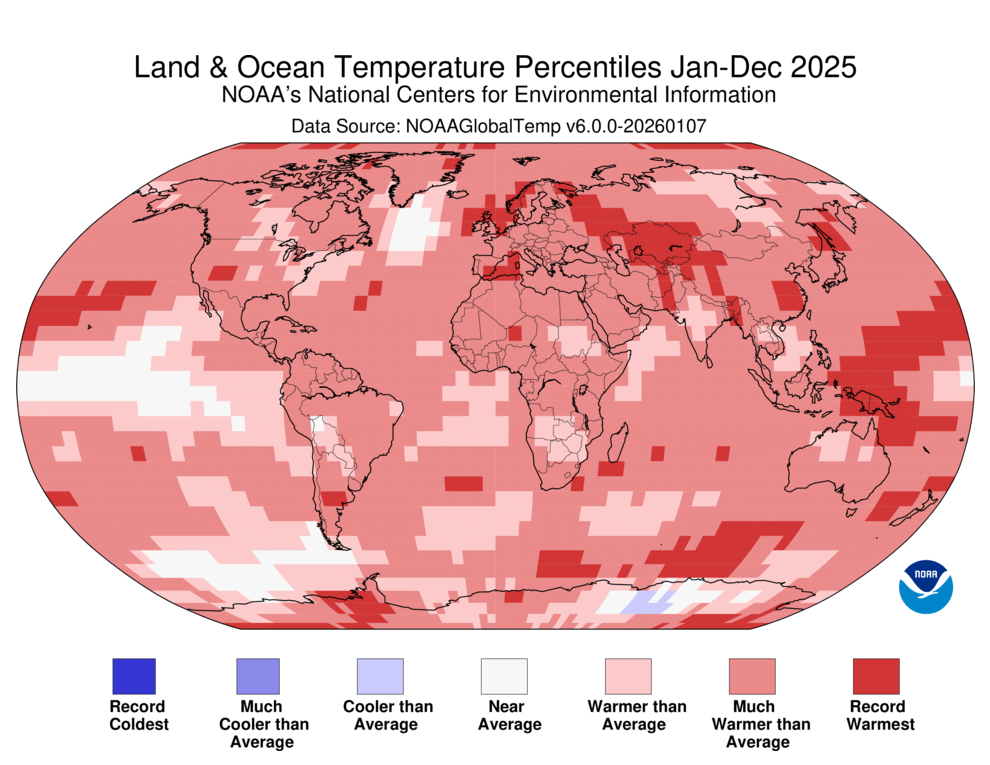
Such high temperatures allow mosquitos to survive in regions that were previously too cold, primarily because diapausing eggs are able to survive, and hatch sooner . Take for instance the Asian tiger mosquito (Aedes albopictus), first detected in Texas around forty years ago — the species is now established in at least 40 states and DC.
Urbanization and human-mediated movement continue to be the main drivers, but recent trends indicate that increasingly favorable climate conditions have also played a major role in their expansion. Data shows a clear "poleward shift" where climate change is making higher latitudes more suitable for the species, while some extreme equatorial regions are becoming less suitable due to excessive mid-summer heat.
Historically, it was thought the Asian tiger mosquito was limited by winter cold. This is true, but it takes colder winters than you might think to substantially impact their fitness, so many expansions are actually occurring in preexisting thermally suitable habitats. Research shows that a mean winter temperature of 28°F is the threshold below which there is near zero probability of the species being present, meaning that there’s a window of below-freezing temps that they can endure.
Although adults die off when temperatures consistently drop below 50°F, their eggs are significantly hardier, giving them a leg up on other overwintering species. Laboratory tests found that temperate strains of Aedes albopictus eggs could still hatch after being kept at a constant 14°F for up to 20 days.
It’s clear that the species is remarkably resilient. For example, after populations established themselves in the state of Connecticut in the late 2000s, they were nearly wiped out following unusually cold winters in 2014 and 2015, only to increase sharply once more moderate winters returned.
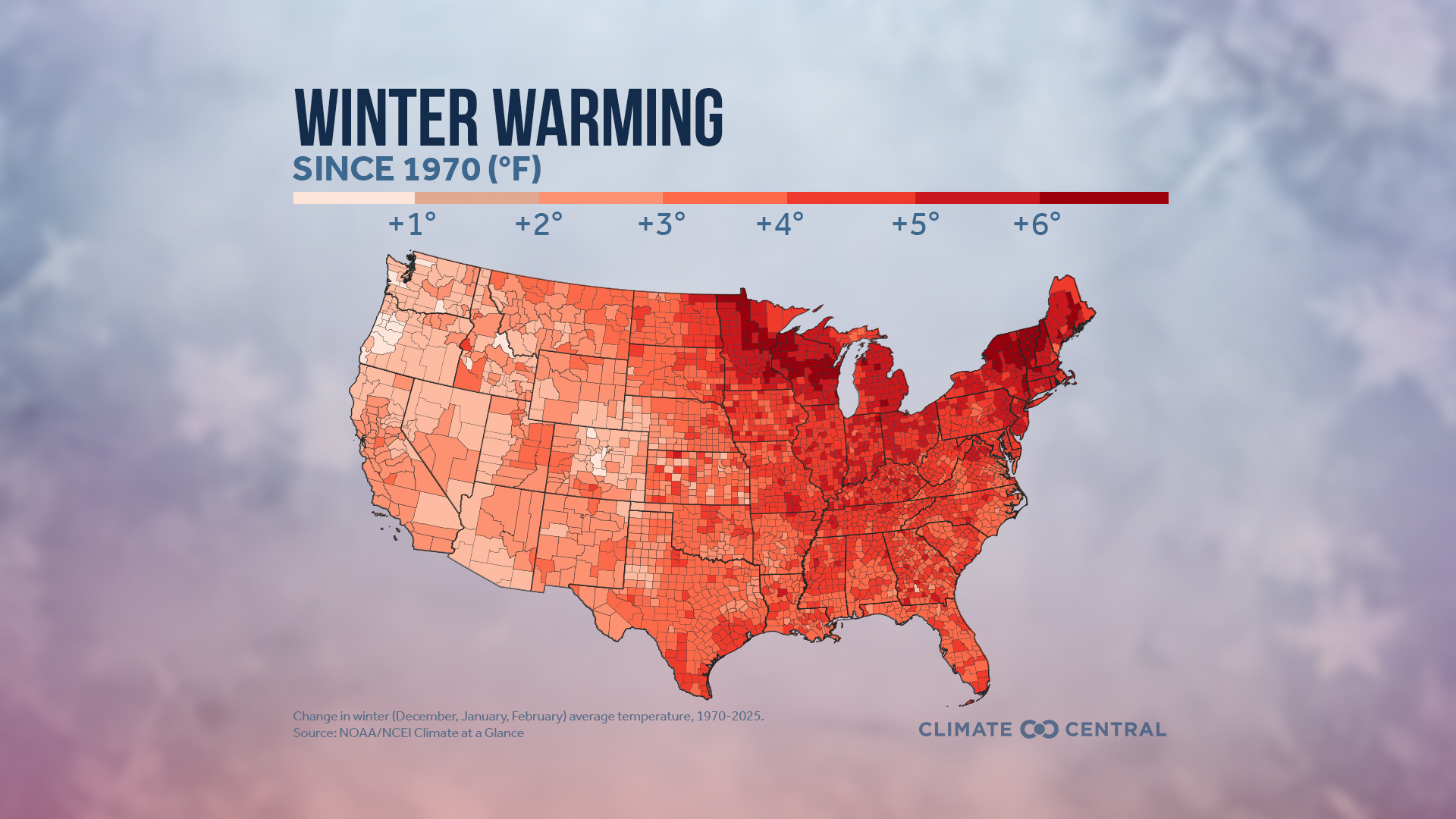
Conditions that used to rule out most of the Northeast as suitable mosquito habitat are no longer realistic to expect, especially with winter being the region’s fastest-warming season. Once-marginal zones have become stable breeding grounds.
But what about on the other end of the spectrum — super warm summers (i.e. highs regularly above 95°F) tend to exhaust mosquitos and make survival a challenge, so will global warming eventually hinder mosquito expansion in Southern regions? Well, a little bit perhaps, but research from Stanford University shows that some Aedes species are developing genetic mutations that increase their heat tolerance, allowing them to thrive even as their traditional tropical homes get even hotter. The adaptability of these invasive insects is remarkable.
Additionally, Culex mosquitos, a group that carries West Nile virus in Maryland, can develop twice as fast in 90-degree weather compared to at 70 degrees. Granted they’re nighttime-only feeders, active only between dusk and dawn unless disturbed, but nevertheless, like other species, they benefit from warmer days and nights (a key example in the DMV being the northern house mosquito Culex pipiens). Luckily, the approaches we use here at Bee Safe have proven to be effective against both Aedes and Culex species.
Recent Trends:
- About a third of the population in the northeastern U.S. currently lives in urban areas that have the Asian tiger mosquito. This is expected to double by 2100, from 15 million people to 30 million. It’s already confirmed in every county in Maryland except Allegany and Garrett, having spread steadily since initially being detected in the state in 1987. Land area wise, its suitable habitat in the Northeast region was 5% in 2013, and this is projected to grow to roughly 16% by the 2030s and up to 49% by the end of the century.
- The annual mosquito season in Maryland has already expanded by about two weeks since the 1980s due to warmer autumns and earlier springs (DC is about the same, as are most other Northeastern states). In MD, the mosquito season now lasts roughly 159 days, up from 146 days in the 1980s. In DC, it's now 166 days, up from 153. WaPo mapped this data in 2024. Average temperatures in Maryland have risen by about 3°F since 1900, shifting the start of mosquito activity to as early as April.
- Average rainfall in the Northeast has increased by nearly half an inch per decade during that same period. This means more larval breeding sites are created. Precipitation volatility (drought followed by heavy rain) causes explosive population growth. Asian tiger mosquito eggs can remain viable through prolonged droughts and hatch all at once when water levels rise.
Fun-ish  Facts:
- Shorter lifespans at high temperatures are offset by much faster reproductive cycles. While warmer temperatures have been found to accelerate Anopheles mosquito aging, the overall population grows faster due to rapid larval development. Disease transmission (in this case malaria) also increases when temperatures are warmer, making the remaining lifespan more dangerous. Climate change brings tropical pathogens further north. In 2023, Maryland reported its first case of locally acquired malaria in 40 years, spread by an Anopheles mosquito.
- Rising temperatures exponentially accelerate the time from ingestion of a virus until a mosquito is able to transmit it. For Zika virus, this period drops from 24 days at 70°F to just 5 days at 86°F. Rapid viral development significantly increases the overall risk of Dengue outbreaks.
- Increased frequency of extreme rainfall events on the East Coast creates a cycle of persistent standing water for breeding. Sea level rise along Maryland's Eastern Shore is creating new brackish water habitats where they previously did not exist. Rising tides push brackish water into formerly dry upland areas, favoring the growth of saltmarsh mosquitos like Black-Tailed Mosquito (Culiseta melanura). These species are primary vectors for Eastern Equine Encephalitis (EEE), which has seen increased prevalence in the Mid-Atlantic.
- Extreme heat increases the metabolic rate of mosquitos, forcing them to feed on blood more often. As temperatures rise, females must take more blood meals to successfully produce each batch of eggs. This accelerated biting rate directly increases the probability of pathogen transfer to humans.
- The range of Aedes albopictus is expanding in other parts of the world as well. For example they’ve spread from Southern Europe all across the continent. Large populated cities, such as Paris, London, Vienna, Strasbourg, and Frankfurt have become suitable recently. Scientists are concerned about higher risk of disease transmission, particularly Dengue. Locally transmitted Chikungunya cases have been reported as well. It’s possible that North America could be next.