

RFK Jr is on a crusade to figure out the cause of an "autism epidemic" and plans to fund a "massive testing and research effort" to determine the cause of autism by September. RFK Jr's prior anti-vaccine statements, his fixation on autism, and his association with and hiring of anti-vaccine scientists leads many to believe he will push widely debunked, anti-vaccine conspiracy theories as the root cause of an increase in autism diagnoses. The appointment of David Geier in particular, alarmed many. We are not experts on autism, nor are we experts on vaccines, but there is clear and convincing evidence from study after study: vaccines do not cause autism. It is also clear that RFK Jr will continue on this crusade, regardless of whether autism *should be* considered an epidemic, or whether it *should be* something we seek to eliminate. Therefore, we won't weigh in on the ethics of that, which are complex and also not our area of expertise. Most experts in the field agree that autism is mostly explained by genetic mutations, with around 80% of cases explained by inherited mutations. It is likely that much of the "increase" in autism is actually an increase in correctly diagnosing autism.
However, environmental factors could be contributing in some way, as genetics does not fully explain all autism cases, and there is some evidence of environmental exposure to toxins causing increased risk of autism, particularly when it comes to organophosphates. If RFK Jr plans to blame something by September, he will likely need to blame something that we already have evidence against, as there simply isn't time between now and September to conduct a rigorous study. Lately, he has indicated that he plans to look into "environmental toxins" as potential causes. Organophosphates fit that bill, and the other negative impacts of organophosphates make them worthy of being banned or at least much more restricted.
What are organophosphates?
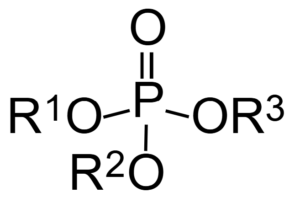
You may have been wondering - what does this have to do with mosquitos? Organophosphates are one of the two main classes of adulticides, insecticides targeting adults, used against mosquitos - the other being pyrethroids. Malathion and Naled are the two most common organophosphates used against mosquitos, but there are dozens more, including Chlorpyrifos, Dichlorvos, and Temephos. Organophosphates are not specific to mosquitos and are considered effective against virtually all insects. After organochlorines like DDT were banned in the 70s, organophosphates quickly became the most widely used class of insecticides globally. They have started to be replaced by pyrethroids, but are still widely used. Today, organophosphates are used in mosquito fogging trucks operated by state and local mosquito control programs, and are also sometimes sprayed aerially from planes (including in Maryland, which uses Naled sprayed aerially).
Organophosphates kill insects by disrupting their nervous system. Very basically, they inhibit acetylcholinesterase, which is the enzyme that breaks down the neurotransmitter acetylcholine. This leads to a buildup of acetylcholine and overstimulation of nerve cells, ultimately disrupting the nervous system and causing insect mortality. As you may remember from biology class, acetylcholine is an important neurotransmitter in humans too, which is why organophosphates remain highly toxic to humans. In fact, the mechanism of action is the same as the nerve gas Sarin. This class of insecticides is so toxic to humans, the EPA has continued to further restrict the use of these insecticides whenever they come up for review. In humans, death from organophosphates typically occurs from suffocation, as the nervous system becomes so disrupted that the lungs stop functioning, rendering you unable to breath. While death is certainly a risk from organophosphate exposure, sublethal effects are important to consider too. In fact, exposure to organophosphates chronically over time has been directly linked to multiple neurological disorders. This makes sense, as it directly affects the nervous system.
What evidence do we have linking organophosphates to autism?

The strongest evidence we have is the impact of prenatal exposure to organophosphates. Pregnant women exposed to organophosphates were found to have children with significantly lower mental development index scores and lower psychomotor development index scores, as well as higher Pervasive Development Disorder (PDD) scores at ages 6 months, 12 months, and 24 months in a study on Young Mexican-American Children. PDD scores are strongly associated with the development of autism spectrum disorders. Another study found that children with ASD were 60% more likely to have organophosphates applied within 1.25 km of the home than typically developing children, with exposure during the third trimester of pregnancy being the most associated with increased prevalence of ASD. It also found a reduced effect at larger radii, 54% at 1.5 km and 26% at 1.75 km, indicating an exposure-response gradient. A study in France found that prenatal detection of the organophosphate chlorpyrifos or its metabolites in pregnant women was associated with a 26% increase in ASD diagnoses in children at 11 years old.
Yet another study found that prenatal exposure to a range of common pesticides within 2 km of the mother's home increased the offspring's risk of developing ASD compared to women from the same agricultural region without such exposure. Interestingly, that study found similar impact for pyrethroids, which have been thought to be less damaging for humans than organophosphates. Pyrethroids work by inhibiting the closure of sodium-gated channels in the insect nervous system. They have less affinity for binding with human sodium-gated channels, and are therefore thought to be less toxic, by a factor of about 2250. However, it may be that the chronic, sublethal impacts could still cause an increased risk of neurological disorders. What is striking to me is that the EPA has allowed the widespread use of these insecticides, including in public fogging and spraying programs, without first rigorously studying these impacts.
What other negative impacts do organophosphates cause?
When organophosphates are used for mosquito control, because they are broad spectrum insecticides, they also kill other non-target insects that are important to the ecosystem, including pollinators. Organophosphates used in a spray formulation and applied over wide areas would obviously impact numerous non-target insects, regardless of the time of day of application. Insects are among the most diverse of the animal taxa, and there is no time of day where mosquitos would be active, but significant numbers of other insect species would not be. Organophosphates, like Naled for example, have been shown to be moderately to highly toxic to birds, moderately to very highly toxic to freshwater fish, and very highly toxic to aquatic invertebrates, according to the National Pesticide Information Center. In the EPA's reregistration decision in 2006, it banned the use of Naled for all residential applications, but created an exception that allowed public health mosquito control programs to use Naled in residential areas. It also determined that mosquito applications of Naled frequently exceed the acute exposure level of concern for mammals. Approximately 70% of Naled use is for mosquito control applications.
What can you do to protect yourself?
If you live in Maryland, outside of non-participating Montgomery County or Howard County, consider filing an opt-out request for MDA's adult mosquito spraying program. Especially if you live in the Eastern Shore, where aerial applications of Naled are common, you should consider opting out. There are likely similar opt outs in other states, and you should do your own research to find out if your state or locality sprays organophosphates for mosquito control and how you might be able to opt out. If you are or are planning to become pregnant, it is wise to be aware of any nearby agricultural areas that may be using organophosphates, and consider moving, even if just temporarily for the third trimester, to avoid exposure.
The Takeaway
If there is an "environmental toxin" that could be blamed for an increase in autism diagnoses, Organophosphates would make a great candidate. The research to date indicates significant risks to humans, especially the offspring of pregnant women exposed to organophosphates, including for ASD. Additionally, the widespread use of organophosphates in mosquito control applications would be expected to have devastating environmental consequences, based on the EPA's own report on toxicity to both insect and non-insect animal species. So, we encourage RFK Jr to take this easy win. Ban organophosphates, pretend you never said anything about vaccines, and claim credit for removing something from the environment that actually does pose a real threat to both humans and the ecosystem on which we all depend.